Come avviare un business vending machine per gelati: guida passo-passo
Scopri come avviare un 'attività di distributori automatici di gelato dalla ricerca di località e permessi alle attrezzature, al pagamento, agli ingredienti, a un pilota di macchina da 1 a 3 e all' espansione multi-località.
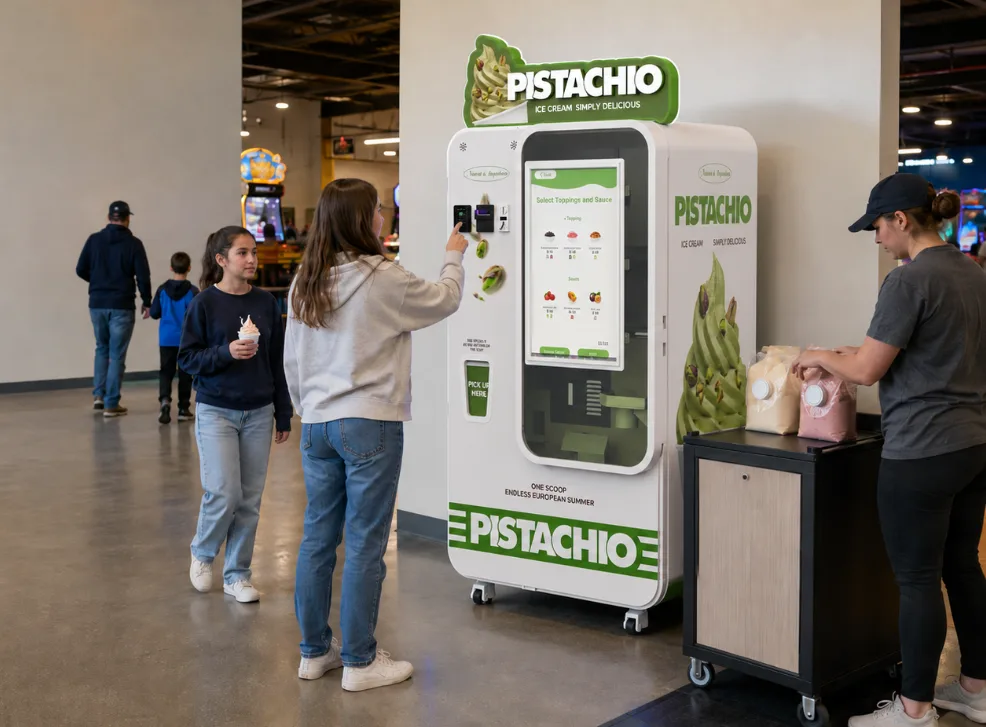
Ap prend imento Come avvi are un business vend ing machine di gela to E ' meno l ' ac qu isto di una macchina e più la costru zione di un sistema oper ativo rip eti bile at tor no ad essa .
Le att re zz ature sono importanti , ma la macchina è solo una parte del business . Un lan cio di successo dip ende anche dalla scelta del luogo giusto , ab bin ando il menu al pubblico , organi zz ando il pagamento , approv v igion ando ingredi enti , compr endere i requisiti di sicurezza aliment are , piani ficare ri emp imenti e pu lizia , garantire il supp orto tec nico e test are se l ' economia del luogo funziona effet tivamente .
Per un oper atore per la prima volta , il più grande err ore è spesso cercare di risol vere tutte queste domande dopo che la macchina è già stata ordin ata .
Una sequ enza più pratica è :
- Sc egli il mod ello di business .
- Defin ire il cliente e il prodotto .
- Cos tru ire un budget di startup realisti co .
- Ric erca e quali ficazione delle sedi .
- Control lare i permes si e i requisiti di sicurezza aliment are .
- Sele zion are la configura zione della macchina .
- Con fir mare il pagamento e la fornit ura degli ingredi enti .
- Nego zi are l ' accordo di loca lizzazione .
- Pre para zione della log istica e dell ' installa zione .
- Av vi are da una a tre mac chine .
- Mis urare il pilota .
- S cala solo dopo che il mod ello oper ativo è rip eti bile .
Il mercato stat un iten se del vend ing e self - ser vice è già un cana le commerciale sost an ziale . N AMA stima che l ' industria dei servizi di conveni enza stat un iten si abbia gener ato circa 31, 1 miliardi di dollari nel 202 5, con la vendita che rim ane la sua più grande linea di business . Ciò non dim ostra la domanda di vend ite di gela ti in particolare , ma dim ostra che la vendita al dettag lio senza super visi one è un mod ello oper ativo consolid ato piuttosto che un formato di vendita al dettag lio sp erim entale .
La possibilità dip ende ancora dall ' ese cuzione .
Pas so 1: Dec idi che tipo di business stai costru endo
Non tutti gli ac quir enti che entr ano nella vendita di gela ti stanno costru endo lo stesso tipo di azi enda .
Prima di fare ricer che sulle mac chine , decid ere chi poss eder à l ' att re zz atura , chi la gest irà e come ver ranno gener ate entr ate .
Oper atore Indi pend ente
Un oper atore indipend ente compra mac chine e le collo ca in sedi commerciali .
L ' oper atore gest isce normalmente :
- Lo ca lizzazione Ac quisi zione
- Pr opri età della macchina
- Ing redi enti
- ri emp imento
- P uli zia
- E labora zione dei pagamenti
- manuten zione
- Servi zio clienti
- R acc olta delle entr ate
Questo mod ello dà all ' oper atore il massimo controllo , ma crea anche la maggior responsabilità oper ativa .
Di solito è il punto di parten za più rile vante per gli impr end itori che piani fic ano una o più mac chine .
Lo ca lizzazione Partners hip
In questo mod ello , l ' oper atore è ancora propriet ario e gest isce la macchina , ma lavora con un propriet ario come :
- Sho pping Mall
- Centro di intr atten imento famili are
- Hotel
- Campus
- Att ra zione turisti ca
- Gym
- Reta il Store
L ' accordo commerciale potrebbe utili zzare :
- Fix ed Rent è
- Share delle entr ate
- Garan zia Min ima
- Rent fis so più quota di entr ate
Non esiste una percent uale univer sale responsabile che si applica a ogni sito . L ' economia dip ende dalla propriet à , dalla posizione , dal traff ico e dalla struttura di nego zia zione .
Il numero importante non è solo l ' aff itto .
È :
C osto di loca lizzazione rispetto al contributo che la macchina può gener are realis ticamente .
distribut ore
Un ' attività di distribu zione è diversa dall ' oper are punti vendita .
Un distribut ore può ac quist are mac chine per la ri vend ita e forn ire :
- S vilup po del mercato
- Mani festa zioni locali
- Sup porto tec nico
- Parti di ric ambio
- Forma zione
- Ac quisi zione del cliente
Un distribut ore ha quindi bisogno di una struttura di servizio e di invent ario più soli da rispetto a un oper atore con una sola macchina .
Div ent are un distribut ore non deve essere trattato semplicemente come rice vere un prezzo inferiore della macchina .
Fran chise o mar chio con licenza
Un mod ello di fran chis ing utiliz za il mar chio e il sistema oper ativo stabili ti di un ' altra società , tip icamente con standard contr attu ali , tari ffe e restri zioni .
L ' ac qu isto di att re zz ature da un produtt ore non crea automatic amente un fran chis ing .
Un ac quir ente che confr onta l ' opera zione indipend ente con un fran chis ing dovrebbe considerare :
- Br anding fee
- Re quis iti di so ur cing del prodotto
- Rest ri zioni territoria li
- Prez zo Libert à
- Rest ri zioni di design
- Sup porto di marketing
- Standard oper ativi
Il vend ing indipend ente di solito for nis ce più fles si bilità , mentre un fran chis ing può forn ire un sistema di mar chio più consolid ato .
Mod ello di business confr onto
| Mod ello | F onte di entr ate | Control li | Responsa bilità principale | Mig li or fit |
|---|---|---|---|---|
| Oper atore indipend ente | Entr ate vend ite di mac chine | alto | Opera zione completa | Im prend itori e piccoli operatori |
| Lo ca lizzazione partners hip | Entr ate vend ite di mac chine | Alto - M edi um | Opera zione + Rela zione S ito | Oper atori con acces so a bu one loca lità |
| distribut ore | Vend ita di att re zz ature / supp orto | Medi um | Vend ite , invent ario , supp orto tec nico | Azi ende regi onali B 2 B |
| Con cet to di fran chis ing / licenza | Cli enti vend ite | più bassa | Seg ui il sistema di brand | Gli ac quir enti che des ider ano un conc etto oper ativo consolid ato |
| Cat ena multi - site | R edd ito della fl otta | alto | Opera zioni di fl otta standardi zzate | Oper atori esperti |
Per un primo progetto , defin ire questo mod ello prima di chiedere ai fornit ori un preventi vo .
Step 2: Sc egli ere il prodotto prima di sc egli ere la posizione
Un ' azi enda di vendita di gela ti può vend ere diversi conc etti di dess ert sur ge lati .
I possi bili menu incl ud ono :
- Soft serve
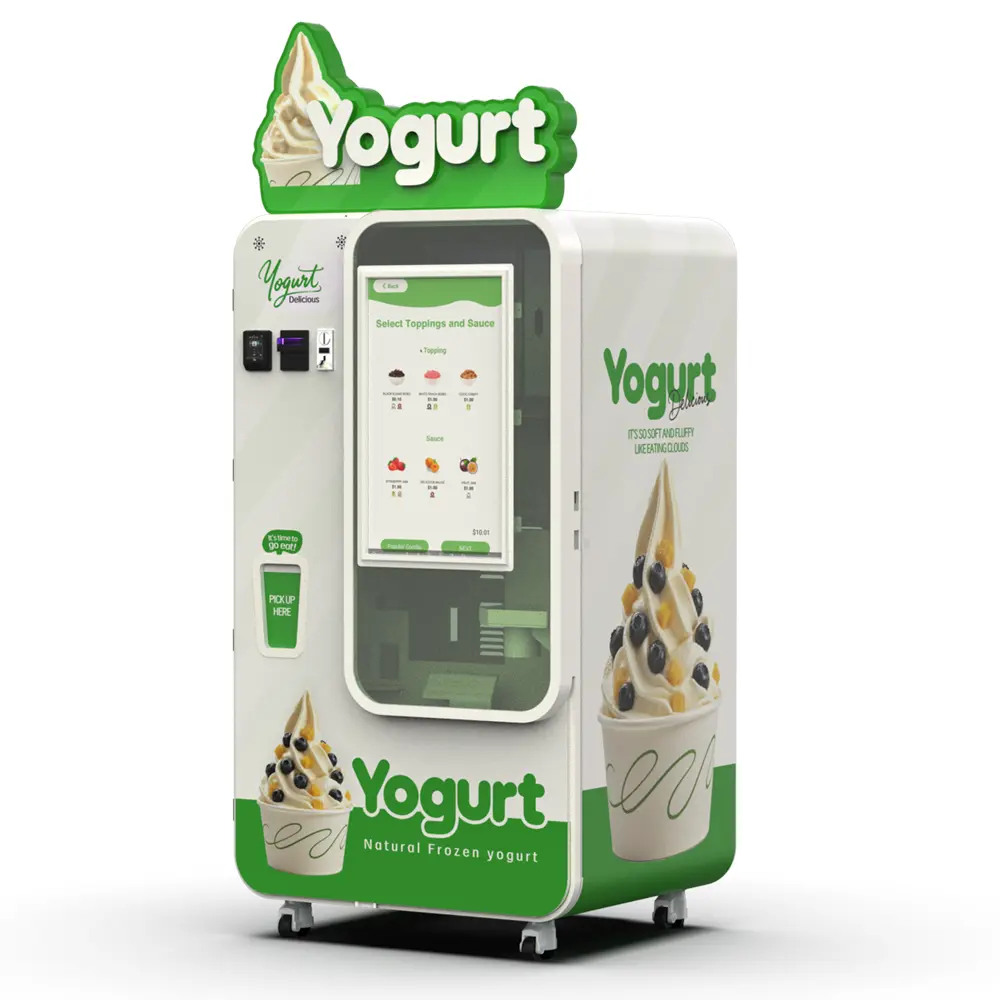
- Lo yog urt congela to
- sor bet to
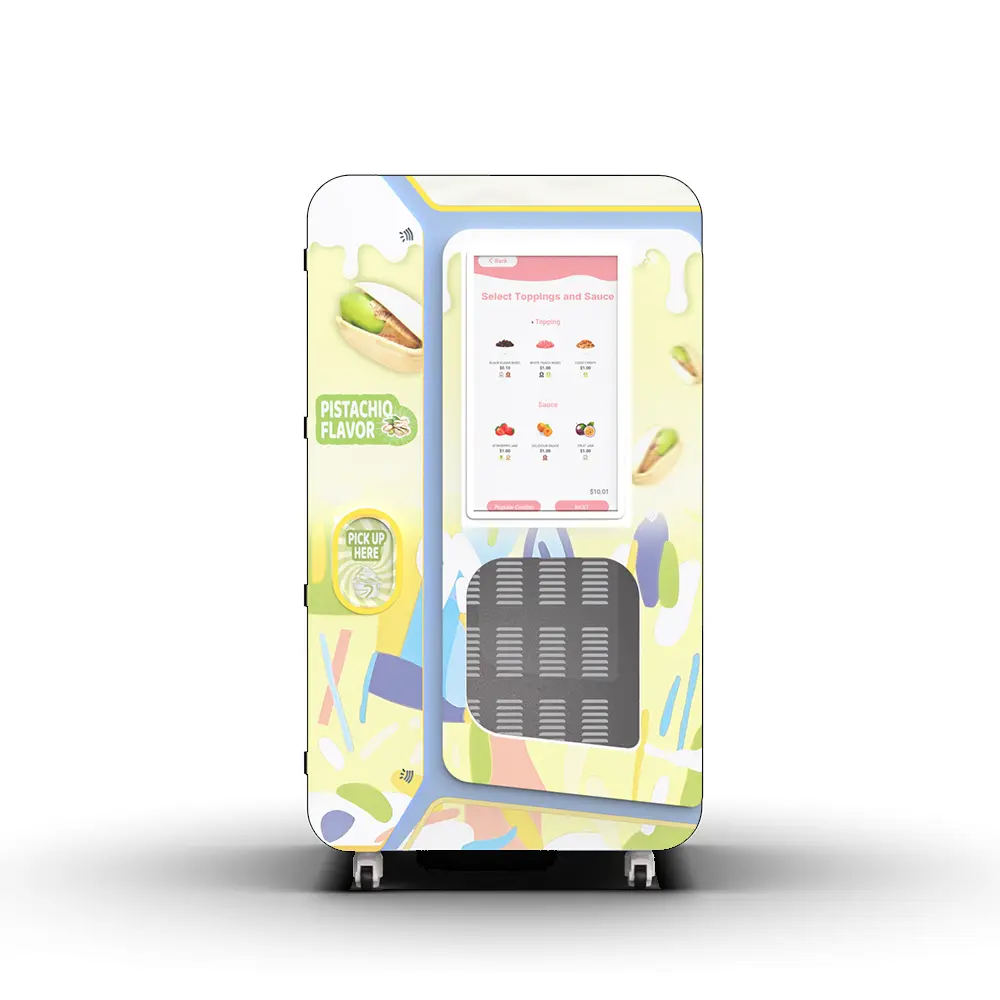
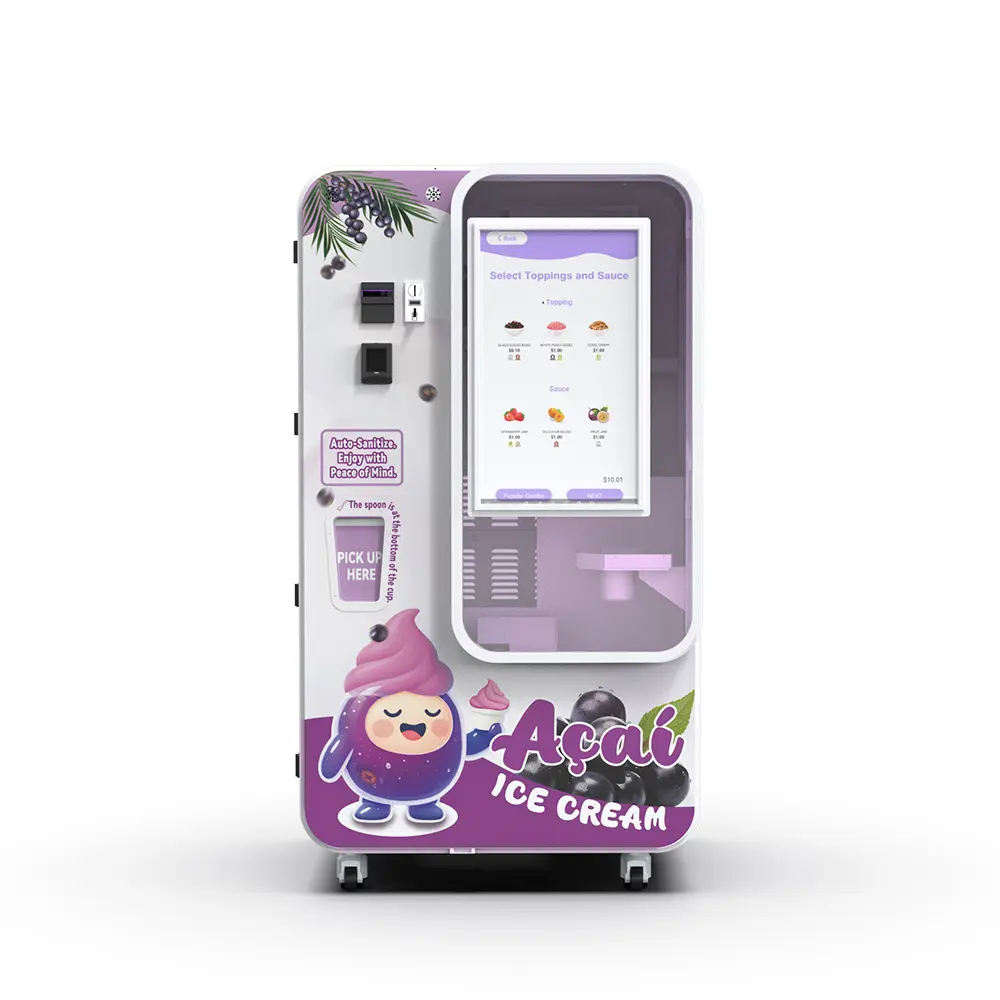
- Dess ert gela to in stile A ça í
Questi prodotti non serv ono necess ariamente lo stesso cliente .
Un centro di intr atten imento famili are può essere adat to per serv ire soft classi ci con sempli ci con dim enti .
Una palest ra può rispond ere meglio allo yog urt congela to o ad un conc etto in stile a ça í .
Un sito turisti co in un clima cal do può favor ire sor bet o prodotti orient ati alla fr utta .
La decisione riguarda :
- Ing redi enti so ur cing
- Dim ensi one della por zione
- T opp ings
- Prez zo di vendita
- Ro utine di pu lizia
- Target cliente
- S etting della macchina
Le mac chine Hua xin funzion ano normalmente con Un prodotto di base alla volta. Il pass aggio tra serv ire mor b ido , yog urt congela to , sor bet o una formula zione in stile a ça í richi ede il cambio del materiale di base e l ' ad egu amento della ric etta .
Non prog ett are un mod ello di business at tor no a diversi prodotti di base contemp orane amente , a meno che l ' att re zz atura scelta non supp orti effet tivamente tale configura zione .
Pas so 3: Cos tru ire il budget di av vio prima di ac quist are le att re zz ature
Il budget di startup dovrebbe rispond ere :
" Qu anti soldi ci vogliono per mettere in funzione la prima posizione ? "
Non si deve fer mare al prezzo delle att re zz ature .
Inc lu de :
- Machine
- Att re zz ature di pagamento
- Br anding o configura zione dell ' inter fa ccia
- Im bal lag gi di esporta zione
- Na viga zione
- Sp ese di importa zione
- Con seg na locale
- Pre para zione del sito
- Per mis si e conformità
- Ing redi enti iniz iali
- Ta zze e cu cch iai
- fornit ure per la pu lizia
- Parti di ric ambio
- De pos ito sito
- Cap itale di lavoro
L ' im porto es atto varia note vol mente a seconda del paese e del progetto .
Un pilota stat un iten se con una macchina e un lan cio commerciale con cinque mac chine in Medio Oriente non utili zzare le stesse ipot esi di bilancio .
Per una mod ella zione dettag li ata del costo di av vio , questo argom ento dovrebbe colleg arsi al C osto di av vio del distribut ore di gela to e piani ficazione degli investimenti per i nuovi operatori piuttosto che ripet ere un mod ello finanziario completo qui .
Pas so 4: Tr ova la posizione prima di inn am orar ti della macchina
La posizione è di solito più importante per le entr ate di pic cole differen ze di prezzo delle att re zz ature .
Non valut are una posizione utili zz ando solo il traff ico totale degli edifici .
In ve ce , stim are traff ico rile vante.
Il traff ico rile vante significa le persone che :
- Pas sa la macchina
- Pu ò vedere
- Pu ò raggi ung er lo facilmente
- Sono presenti quando oper ano
- Ad atta il prof ilo cliente del prodotto
Ad esempio , un centro commerciale può rice vere 20.000 vis itat ori al giorno , mentre solo 1.500 - 2.000 persone pass ano attraverso la zona delle mac chine proposta .
Queste ci fre cre ano prev isi oni di vendita molto diverse .
F att ori di valutazione della loca lità
| F att ore | Cosa control lare | Perché è importante |
|---|---|---|
| Il traff ico ped onale rile vante | Il traff ico reale vicino alla macchina | Det erm ina zione delle opportunità di vendita |
| Pro fil Cli ente | Fam ig lie , studenti , turisti , membri della palest ra | Det erm ina zione del prodotto fit |
| Visi bilità | Le persone possono vedere la macchina prima di passare ? | Influ enza sulla conver sione |
| D well Time | I clienti rim ang ono nella zona ? | Più tempo per not are e ac quist are |
| Comp eti zione | Dess ert nelle vi cin anze e op zioni di be vande | Influ enza sui prezzi e sulla domanda |
| Rent / Share delle entr ate | C osto completo del sito | Det erm ina zione del volume break - e ven |
| acces so | Ac cesso di ric arica e manuten zione | Col pis ce il lavoro |
| elett ric ità | Re quis iti di us cita ed elett ric ità | Ne cess ario per l ' opera zione |
| rete | Pag amento e monitor aggio della con net tività | Ne cess ario per molti sistemi cash less |
| Or ari oper ativi | Cos tru ire acces so | Det erm ina zione della finestra delle entr ate |
| sta gi onali ta | Cal end ario sco lasti co , mete o , turismo | Influ enza sul volume ann uale |
Sho pping M alls
I centri commerciali possono forn ire una forte esp osizione ai clienti , ma possono anche comport are aff itti più al ti e requisiti oper ativi più se veri .
Bu one posi zioni possono incl udere :
- Vic ino all ' intr atten imento famili are
- Est erno cinema
- Vic ino al traff ico aliment are
- Vic ino al retail per bambini
- A ree comuni ad alta durata
E vit are di sc egli ere una posizione semplicemente perché il centro commerciale stesso è famoso .
La posizione es atta della macchina è importante .
Cent ri di intr atten imento per famig lie
Le F EC possono essere attra enti perché i clienti hanno già :
- Più tempo d well
- Sp esa orient ata alla famiglia
- At tività dei bambini
- Comple anno e traff ico
La domanda può essere fort emente concentr ata nei fine settimana e nei giorni festi vi , quindi la piani ficazione del ri emp imento diventa importante .
i campus
Le sedi del campus possono forn ire clienti ric orr enti ma hanno forti effetti di calend ario .
Re cen sione :
- Ter mine acc adem ico
- Vac anze
- mesi esti vi
- At tività del fine settimana
- Prefer enze di pagamento
Non prendere un mese forte sem estre e mol tip lic arlo per dodi ci .
Lo ca lità turisti che
I lu og hi turisti ci possono offr ire una forte domanda sta gi onale
Prima di firm are la location , richi edere i dati men sili dei vis itat ori piuttosto che solo la frequ enza ann uale .
Gli hotel
Il traff ico al berg hi ero può essere inferiore , ma i termini commerciali a volte possono essere più gesti bili .
I possi bili benefici incl ud ono :
- Or ari oper ativi est esi
- M eno concorrenza diretta per il dess ert
- Com odo acces so per gli os piti
L ' economia dip ende ancora dall ' occupazione e dalla posizione all ' interno dell ' hotel .
Pas so 5: Compr endere le autor izza zioni stat un iten si e le responsabilità per la sicurezza aliment are
Per gli operatori stat un iten si , non esiste una sing ola " lic enza di vendita di gela to " federale che cop ra automatic amente ogni loca lità .
La S BA affer ma che le licen ze richi este dallo stato , dalla con tea e dalla città dipend ono dall ' attività commerciale e dalla posizione , e in particolare el enca i distribut ori automati ci tra le attività comun emente rego lament ate a livello locale .
A seconda della gi urisdi zione e della struttura azi enda le , un progetto può d over indag are :
- Reg istra zione Azi enda le
- Lic enza commerciale stata le o locale
- Im posta sulle vend ite o registra zione del vend itore
- Per messo di vendita o vendita al dettag lio di alim enti
- Ap prova zione del Dip ar timento della Salu te
- Re quis iti per Food Manager o Food Hand ler
- Ap prova zione elett rica o edi lizia
- Re quis iti del propriet ario
- Re quis iti assicur ativi
Non tutti i punti si applic ano a tutti i progetti .
Confer mare i requisiti con l ' autorità locale prima di installa re la macchina.
Il codice aliment are della FDA è un mod ello , non una legge locale univer sale
Il codice aliment are 2022 della FDA è l ' edi zione completa più recente del codice aliment are e for nis ce un mod ello per la rego lamenta zione stata le e locale del cibo al dettag lio . Il rapporto di ado zione 2024 della FDA mostra che le gi urisdi zioni utili zzano diverse edi zioni del codice aliment are , quindi le regole es atte possono vari are in tutti gli Stati Uniti .
Per i distribut ori automati ci che manip ol ano alim enti a tempo / temperatura control lati per la sicurezza , il codice aliment are mod ello include un requ isito di speg nim ento automati co quando condizioni come l ' alimenta zione o il gu asto mecc ani co imped iscono alla macchina di manten ere le temperature necessarie per il cibo .
Ciò è partico larmente rile vante per la vendita di dess ert fres chi sur ge lati .
Gli operatori quindi chiedere al loro dipar timento sanit ario locale :
- Come viene classific ata la macchina ?
- È necessario un permes so di vendita o di stabi lim ento aliment are ?
- Quali sono le regole relative alla temperatura degli ingredi enti ?
- Quali documenti di pu lizia sono richi esti ?
- Sono applica bili requisiti di commiss ari ato o di sto cc aggio ?
- È necess aria una certi ficazione di food manager ?
- Ogni macchina ha bisogno di un permes so separ ato ?
Non pres um ere che l ' appr ovazione in uno Stato dim ost ri automatic amente la conformità in un altro .
Pas so 6: Sc egli ere le att re zz ature in base al mod ello oper ativo
Una volta che la posizione e i requisiti nor mati vi sono più chi ari , la sele zione delle att re zz ature diventa molto più facile .
Non cominci are con :
" Q uale macchina ha le più caratteristi che ?"
Ini zi are con :
" Q uale configura zione supp orta questa posizione con la minima comp less ità inuti le ?"
C apac ità di produzione
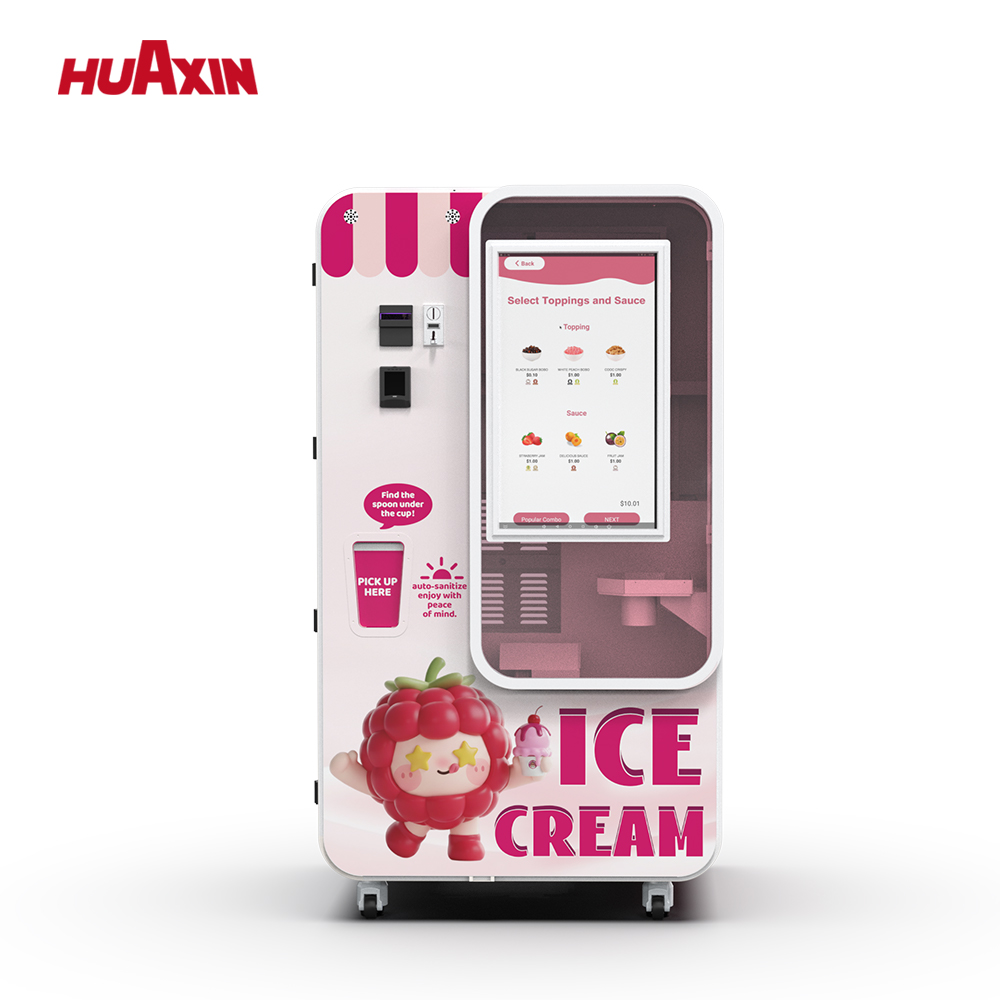
La pi atta forma di distribu zione autom atica di Hua xin completa tip icamente una por zione in circa 15-20 secon di A seconda della ric etta e delle condizioni di funzion amento .
Questo è utile per la piani ficazione della capacità di pic co .
Non si tratta di una prev isione di vendita .
Se si prevede che il sito vend ga 60 ta zze al giorno , la macchina non ha bisogno di prod urre 60 ta zze in modo continuo .
Ciò che conta è se può gest ire periodi concent rati senza diventare un collo di bot tig lia .
C apac ità di cop pa e ingredi enti
Le configura zioni tipi che full size possono os pit are appr os sim ativamente :
- 160 cop pe
- Cir ca 20 lit ri di mis cela di base
C apac ità influ isce :
- Fre qu enza di ric arica
- Servi zio lavoro
- Dis p oni bilità Pe ak
- Ris chio di rifi uti
Più capacità è pre zi oso in un sito forte .
Pu ò essere inuti le in un pilota a bas so volume .
Pag amento
Per gli Stati Uniti , L ' acc etta zione della carta e contact less è spesso importante per la vendita al dettag lio senza super visi one , ma il sistema di pagamento es atto deve essere confer mato con il fornit ore di pagamento .
A seconda del mercato e della configura zione , le integra zioni possi bili possono incl udere :
- Cart ine ban car ie
- N FC / contact less
- Pag amento QR
- Coin
- Acc etta zione Bill
- S istemi di por taf ogli locali
La compati bilità MD B può facilit are l ' integra zione dei pagamenti vend ing , ma non gar antis ce che ogni fornit ore di pagamento funzion erà automatic amente .
Confer mare il term inale prima della produzione .
G esti one Remo ta
La gestione remo ta può aiutare gli operatori a ri vedere :
- Vend ita
- Stato della macchina
- Tem peratura
- Av visi di err ore
- Av visi relativi all ' in vent ario
Per un nuovo oper atore , questo è partico larmente utile perché ai uta a rispond ere a una domanda di base :
" Ho davvero bisogno di guid are la macchina oggi ? "
Per più loca lità , il monitor aggio rem oto diventa ancora più pre zi oso .
P uli zia e paste uri zzazione automati zzate
L ' aut oma zione può standardi zzare parti del processo di pu lizia e igi ene e rid urre il lavoro man uale ripet itivo .
Tuttavia , l ' auto - pu lizia non deve essere interpret ata come :
" N ess una pu lizia necess aria " .
Gli operatori devono ancora segu ire :
- Pro cedure del produtt ore
- Rego le di sicurezza aliment are
- Re quis iti igi eni ci man uali
- Is pe zioni visi ve
- Ing redi ente - S istema Man uten zione
L ' aut oma zione ridu ce il cari co di lavoro , ma non elimina la responsabilità oper ativa .
Pas so 7: Cos tru ire la cat ena di approv v igion amento degli ingredi enti prima del lan cio
La macchina non dovrebbe arrivare prima che l ' oper atore sapp ia da dove prov enga il prodotto .
ricerca :
- Soft serve mix fornit ore
- For nit ore di yog urt congela to
- Formula zione Sor bet
- F onte di ingredi enti in stile A ça í
- Cop pe
- Spo ons
- T opp ings
- Prod otti di pu lizia
So ur cing locale vs ingredi enti import ati
Il so ur cing locale può rid urre :
- Lead Time
- Cap itale di lavoro
- Import are comp less ità
- Ris chio di stock di emer genza
Gli ingredi enti import ati possono avere senso quando è necess aria una formula zione speci fica o un mar chio .
Per un primo pilota , evitare di ac quist are diversi mesi di ingredi enti prima di test are la ric etta .
Test di :
- Fla vor
- Text ura
- Yi eld
- Dim ensi one della por zione
- Acc etta zione del cliente
- Comp ati bilità macchina
Poi acqu isti di scala .
Pas so 8: As si cur are il sistema di pagamento prima di apr ire
I problemi di pagamento possono rov in are una location altr imenti buona .
Prima del lan cio , ese gu ire transa zioni reali .
Test di :
- Acc etta zione Card
- N FC
- QR se applica bile
- Pro cesso di rimb orso
- Tran sa zioni fal lite
- Perd ita di rete
- Sett lement report ing
- Comunica zione Machine - Pay ment
Non aspett are che il cliente arri vi per sc opr ire che il term inale di pagamento non è stato attiv ato .
Per un progetto stat un iten se , confer mare anche :
- Com mer ci ante conto
- process ore di pagamento
- Re quis iti SIM / dati
- commis sioni di transa zione
- Proced ura di charge back
Questi costi essere incl usi nel mod ello oper ativo .
Pas so 9: Nego zi are att ent amente il contr atto di loca lizzazione
Un contr atto di loca zione dovrebbe cop rire più di af fit to .
Confer mare :
- P osizione es atta della macchina
- Ter mine del contr atto
- Fix ed Rent è
- Share delle entr ate
- Garan zia Min ima
- elett ric ità
- rete
- ore di acces so
- Responsa bilità di pu lizia
- Dir itti di R elo cation
- esc lusiv ità
- As sicura zione
- Condi zioni di c essa zione
L ' oper atore dovrebbe anche confer mare come ver ranno riport ate le informazioni sulle vend ite se la propriet à rice ve una quota di entr ate .
Una domanda importante è :
" C osa succede se questa posizione es atta non funziona ?"
Un mecc an ismo ragione vole di ric ollo cazione o di termina zione può rid urre il rischio di pilota .
Pas so 10: Pi ani ficare la conse gna e l ' installa zione
Prima dell ' arri vo della macchina , mis urare l ' inter o percor so di conse gna .
Control lare :
- Por te lar ghe zza
- Dim ensi oni di asc ens ore
- Cor rid oio Wid th
- Tras forma zione dello spazio
- R amp acces so
- Cari co dock
- Condi zioni del pa vimento
- Con nes sione elett rica finale
- seg nale di rete
Una tipi ca macchina commerciale full - size è grande e pes ante .
Non supp orre che un normale processo di conse gna dei pa cchi funzion erà .
Per gli ac quir enti interna zionali , la sp edi zione , la dog ana e la piani ficazione dei costi a s bar co essere complet ati ben prima della sp edi zione .
Per gli Stati Uniti - Per gli import atori bas ati , questa se zione dovrebbe colleg are alla guida dedic ata ai costi di sp edi zione e di importa zione piuttosto che dup lic are il cal colo log isti co completo .
Pas so 11: Lan cio con 1 - 3 mac chine
Per la maggior parte dei nuovi operatori , l ' obi ettivo delle prime mac chine dovrebbe essere Vali da zione.
P ilo ta di una macchina
Una macchina for nis ce il test oper ativo più semplice .
Pu ò con valid are :
- D emand sito
- Com port amento del cliente
- Prez zo
- Ric etta
- Pag amento
- processo di ref ill
- P uli zia
- Sup porto tec nico
Lo s van tag gio è che un sito ti dice molto poco sulla varia zione della posizione .
Due o tre mac chine
Due o tre mac chine possono forn ire dati di confr onto più utili .
Ad esempio :
- Il centro commerciale vs F EC
- Campus vs Hotel
- High - rent vs sito di revenue - share
Tuttavia , il lan cio di diverse mac chine aumenta :
- Esp osizione al capitale
- In vent ario degli ingredi enti
- Comp less ità di ric arica
- Ne cess ità di parti di ric ambio
Non compr are tre mac chine semplicemente perché il trasporto o il prezzo unit ario migli ora .
Ac quist arli perché il design pilota richi ede più di una posizione .
P ilo ta vs Es pan sione
| F ase pilota | F ase di espan sione |
|---|---|
| 1 - 3 mac chine | Multi pli loca lità |
| Con vali da richiesta | Stand ardi zzazione dei siti prov ati |
| Test di ric etta | Nego zi are il prezzo della fornit ura |
| Pag amento di test | Standard izzazione dei term inali |
| Im par are il ref ill tim ing | Cre are percor si di servizio |
| Pic colo kit di ric ambi | In vent ario locale di ric ambi |
| Rev isione man uale delle presta zioni | Monitor aggio centra li zzato |
| Br anding fles si bile | Sistema di mar chio standardi zzato |
| Contr atti di loca lizzazione di test | S vilupp are una pip eline di loca lizzazione |
L ' obi ettivo del pilota è creare un processo oper ativo rip eti bile .
Pas so 12: Mis urare i numeri giusti
Non giudi care il primo mese solo dal redd ito totale .
Tra cci ato :
Vend ita
- Ta zze al giorno
- Vend ite per ora
- Week day vs Weekend
- Val ore medio della transa zione
Tra ff ico
- Tra ff ico Cli enti Rele vante
- S tima di conver sione
- Ev enti
- Mete o ove rile vante
Prod otto
- Mix consum ato
- Cop pe utili zzate
- rifi uti
- T opp ing Cons umo
Opera zione
- Vis ite di ric arica
- Tempo di pu lizia
- Tempo di viaggio
- Down time
- Sto cc aggio
- fal limenti di pagamento
Finan zi aria
- Entr ate
- C osto varia bile per serv ire
- R enta
- Pag amento di commis sioni
- Lav oro
- elett ric ità
- manuten zione
La domanda più importante dopo il pilota è :
Questo processo può essere ripet uto in modo redd iti zio in un ' altra sede ?
Una macchina che presta bene perché l ' oper atore la visita person almente due volte al giorno potrebbe non rappresent are un mod ello oper ativo scala bile .
Pas so 13: Dec idere se rid imen sion are , fiss are o spost are
Dopo che sono stati racc ol ti abbastanza dati , ogni macchina dovrebbe ri entr are in una delle tre categorie .
S cala
La posizione soddis fa gli obiettivi di business e la ro utine oper ativa è gesti bile .
Cer cate lu og hi simili .
Mig li ora
La domanda esiste , ma le presta zioni possono migliorare attraverso :
- Mig li ore Visi bilità
- Pre zzi diversi
- Modi fiche del menu
- Mig li ore pagamento
- T opp ing aggi ust amento
- Tempo di ric arica
- Conten uto dello scher mo
Test are le modi fiche prima di rin unci are al sito .
R elo cate
Se il traff ico rile vante è de bole o i clienti ignor ano cost ant emente il prodotto , i miglior amenti oper ativi non risol vere il problema fondamenta le della loca lizzazione .
Sp ost are una macchina può essere meglio che manten ere il capitale leg ato a un sito de bole .
Questo è un vantag gio del vend ing rispetto a un tradi zionale negozio di dess ert costru ito : l ' att re zz atura stessa può pot enzi almente essere rid ist ribu ita .
Check list delle azioni start - up
Mod ello di Business
-
Sc egli ere un ' opera zione indipend ente , una partners hip di loca lizzazione , una distribu zione o un altro mod ello .
-
Defin ire chi possi ede e gest isce la macchina .
-
Identi ficare il cliente target .
Finan zi aria
-
Cal colare il costo di av vio completo .
-
C osto oper ativo stim ato per servizio .
-
Cos tru ire scenari di vendita conser vati vi , di base e forti .
-
Cal colare le vend ite gior nali ere di break - e ven .
-
Pre para zione del capitale di lavoro .
Lo ca lità
-
Mis urare il traff ico rile vante .
-
Control la il prof ilo del cliente .
-
Control lare la concorrenza vi cina .
-
Con fir mare l ' aff itto o la quota di entr ate .
-
Con fir mare l ' ac cesso di ric arica .
-
Control lare pot enza e rete .
Com pli ance
-
Reg istra zione dell ' attività dove necessario .
-
Cont att are le autorità san itarie stata li / locali .
-
Control lare i requisiti di permes so di vendita di cibo .
-
Con fir mare i requisiti elett rici o di sicurezza speci fici del sito .
-
Con fir mare i requisiti assicur ativi .
E quip aggi amento
-
Sele zion are la categoria di prodotto .
-
Con fir mare la capacità della macchina .
-
Con fir mare l ' integra zione dei pagamenti .
-
Con fir mare la lingua e l ' UI .
-
Con fir mare le esi genze di monitor aggio rem oto .
-
Con fir mare la procedura di pu lizia .
-
Ord ine di ric ambi consig li ati .
Sup ply Cha in
-
Identi ficare il fornit ore di mix .
-
Test di ric etta .
-
Con fir mare le dimensi oni della cop pa .
-
Sc op pi di sorg ente e topp ings .
-
Prepar are i materiali di pu lizia .
Lan cio
-
Test di pagamento .
-
Test di produzione .
-
Oper atore ferrovi ario .
-
In vent ario di parten za .
-
Im post are il calend ario di ric arica .
-
Monitor are le vend ite della prima settimana e i gu asti .
Simple Business La unch Pl anning Temp late per la piani ficazione del lan cio
Mod ello di business :
Oper atore indipend ente / Partners hip di loca lizzazione / Distri but ore / Al tro
Pa esi :
Stato / C itt à :
Data di lan cio target :
Num ero iniz iale di mac chine :
Pot enz iali mac chine di un anno :
Target Cli ente :
Fam ig lie / Stud enti / Tur isti / Osp iti dell ' hotel / Memb ri della palest ra / Al tro
Tipo di prodotto:
Soft Serve / Yogurt congelato / Sorbet / Açaí-Style
Tipo di localizzazione target:
Centro commerciale / FEC / Campus / Hotel / Sito turistico / Gym / Altro
Stima del traffico giornaliero:
Vendite giornaliere conservative:
Base di vendita giornaliera:
Forte vendite giornaliere:
Prezzo di vendita atteso:
Costo stimato per servire:
Costo mensile del sito web:
Frequenza di ricarica prevista:
Requisiti di pagamento:
Card / NFC / QR / Coin / Bill / Portafoglio locale
Fornitore di ingredienti identificato: Sì / No
Fornitore di coppa identificato: Sì / No
Dipartimento Sanità / Autorità Contattata: Sì / No
Requisiti elettrici del sito confermati: Sì / no
Bilancio di Startup:
Riserva di capitale operativo:
Data della revisione pilota:
Criteri per l'espansione:
Cosa inviare un fornitore di macchine
Una discussione utile con i fornitori dovrebbe iniziare con il progetto piuttosto che:
" M andi la tua macchina più economica " .
For nis ce :
Pa esi :
Stato / C itt à :
C itt à o porto di destina zione , se si importa :
Quant ità iniz iale :
Pi ano di espan sione futura :
Tipo di loca lità :
Centro commerciale / F EC / Hotel / Campus / S ito turisti co / Gym / Al tro
Tipo di prodotto :
Soft Ser ve / Y og urt congela to / Sor bet / A ça í - St yle
Vend ite gior nali ere att ese :
Pe ak - Ho ur D emand :
Re quis iti di pagamento :
For nit ore di pagamento locale , se noto :
Ling ua richiesta :
Vol tag gio / Fre qu enza :
Re quis iti per la gestione remo ta :
Re quis iti di br anding :
Certi fica zioni / Doc umenti richi esti :
Ing redi enti o ta zze di parten za :
Ne cess ità di pezzi di ric ambio :
Ne cess ità di formazione :
Data di lan cio target :
Questa informa zione ai uta il fornit ore a raccom andare una configura zione appropri ata piuttosto che cit are caratteristi che non necessarie o una macchina di base incomp leta .
Fa q
Qu anti soldi ho bisogno per avvi are un ' attività di vend ing machine per il gela to ?
Non esiste una figura di startup univer sale . Il tuo budget dovrebbe incl udere la macchina , le att re zz ature di pagamento , la conse gna , la prepara zione del sito , i permes si , gli ingredi enti iniz iali , le ta zze , i pezzi di ric ambio e il capitale cir col ante . U tili zzare il mod ello dedic ato di costo di av vio per cal colare un totale specific o per progetto .
Qual è la migliore posizione per una prima macchina ?
Non esiste una sing ola categoria di loca lizzazione migliore . Un primo sito forte dovrebbe avere traff ico rile vante , posi zion amento visi bile , un prof ilo cliente adat to , af fit to gesti bile e facile acces so al servizio . F EC , centri commerciali , campus , hotel e lu og hi turisti ci possono tutti funzion are nelle gi uste condizioni .
Un principi ante dovrebbe inizi are con una macchina o tre ?
Una macchina ridu ce al minimo l ' esp osizione al capitale e sempli fica l ' appr end imento . Due o tre mac chine for nis cono un migliore confr onto di posizione , ma richi ed ono più capitale e disciplina oper ativa . La scelta dip ende dall ' obi ettivo pilota .
Ho bisogno di un permes so per gli Stati Uniti ?
Pot enzi almente . Le licen ze e i permes si richi esti vari ano a seconda dello stato , della con tea e della città . I progetti di vendita di cibo possono anche ri entr are nelle regole locali del dipar timento della salute . Con fir mare i requisiti con le autorità locali compet enti prima dell ' installa zione .
La FDA appr ova i distribut ori automati ci individuali ?
Il codice aliment are della FDA for nis ce un mod ello per la rego lamenta zione del commer cio al dettag lio ; le gi urisdi zioni locali e stata li gener almente applic ano le regole che si applic ano alle operazioni di vendita al dettag lio e vend ing . Le om ologa zioni delle att re zz ature e i requisiti di installa zione devono quindi essere confer mati per la gi urisdi zione e il progetto effetti vi .
Il gela to è un business di fran chis ing ?
Pu ò essere gest ito in modo indipend ente o sotto un conc etto di fran chis ing / licenza separ ato . L ' ac qu isto di una macchina autom atica da un produtt ore non fa automatic amente del progetto un fran chis ing .
Quanto può vend ere una macchina al giorno ?
Non esiste una media univer sale atten di bile . Le vend ite quoti di ane dipend ono dalla posizione es atta , dal traff ico pertinente , dalla conver sione , dal prezzo di vendita , dal prodotto , dalla sta gi ona lità e dalla concorrenza .
Quando dovrei aggi ungere altre mac chine ?
La scala bilità dopo le prime mac chine dim ostra una domanda acc etta bile , requisiti di servizio gesti bili , pagamento aff ida bile , costi aliment ari control lati e un mod ello di loca lizzazione rip eti bile . Un prezzo unit ario più bas so da solo non è un motivo per esp ander si .
Con cl usione : costru ire il mod ello oper ativo prima di costru ire la fl otta
Compr endere Come avvi are un business vend ing machine di gela to Ric onos cere che la macchina è solo una parte del progetto .
Il business reale consiste in :
- Un prodotto adat to
- Una posizione misura bile
- Un budget di startup realisti co
- Com pli ance locale
- Pag amento aff ida bile
- For nit ura di ingredi enti
- P uli zia e ri emp imento coer enti
- Sup porto tec nico
- Mis ura zione delle performance
Per i nuovi operatori , la prima o tre mac chine essere tratt ate come un pilota str uttur ato .
U tili zzare per impar are :
- Quali lu og hi convert ono
- Q uale menu funziona
- Qu ante volte le mac chine hanno bisogno di assistenza
- Quanto prodotto viene effet tivamente consum ato
- Come i clienti prefer iscono pagare
- Quali problemi oper ativi si verific ano
- Se il processo può essere ripet uto
Solo allora l ' azi enda dovrebbe passare dall ' acqu isto di mac chine alla costru zione di una fl otta .
Per una raccom anda zione di configura zione , prepar are il paese o lo stato degli Stati Uniti , la loca lità di destina zione , la quantità di macchina prevista , il tipo di prodotto , le vend ite gior nali ere previs te , i requisiti di pagamento e la data di lan cio prevista .
Questi dettag li consent ono al fornit ore di discut ere una configura zione della macchina che si ad atta al piano di business reale , non semplicemente l ' att re zz atura più economica disponibile .
Ri fer imenti / fon ti
-
U . S . Food and Drug Administration -C odi ce aliment are FDA 2022. Il codice aliment are è un mod ello per la sicurezza aliment are al dettag lio e include disposizioni per i distribut ori automati ci che manip ol ano alim enti control lati dal tempo / dalla temperatura .
-
U . S . Food and Drug Administration -Rap porto sull ' ado zione del codice aliment are 2024. Most ra che gli stati e le ag enzie degli Stati Uniti attu almente utili zzano diverse edi zioni del codice aliment are .
-
U . S . Food and Drug Administration -C odi ci e rego lamenti di vendita al dettag lio e servizi aliment ari per Stato. U tile punto di parten za per identific are l ' autorità stata le competente .
-
Small Business Administration degli Stati Uniti -Lan cia il tuo business : licen ze e permes si stata li. Le note che consent ono i requisiti dipend ono dall ' attività e dalla loca lità azi enda li e incl ud ono i distribut ori automati ci tra le attività rego lament ate local mente .
-
Fonda zione -2024 - 2025 C ens imento dell ' industria dei servizi di conveni enza. I rapporti stim ano le entr ate dei servizi di conveni enza stat un iten si di 31, 1 miliardi di dollari nel 2025 e identific ano il vend ing come la più grande linea di business del settore .
References / Sources